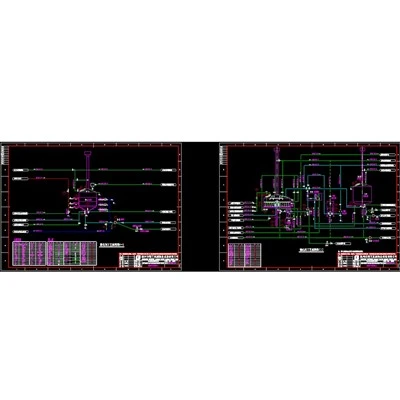
As a provider of Turnkey Brewery Plant Design, I've often been asked whether our designs can be adapted to different geographical locations. This is a crucial question, as the success of a brewery depends not only on the quality of the beer but also on the suitability of the plant design for its environment. In this blog, I'll delve into the various factors that need to be considered when adapting turnkey brewery plant designs to different geographical locations and explain how our company approaches this challenge.
1. Climate Considerations
One of the most significant factors that can affect a brewery plant design is the local climate. Different climates present unique challenges and opportunities that must be addressed in the design phase.
Hot and Humid Climates
In regions with hot and humid climates, such as the tropics, temperature and humidity control are of utmost importance. High temperatures can accelerate the fermentation process, leading to inconsistent beer quality if not properly managed. Additionally, humidity can promote the growth of mold and bacteria, which can contaminate the beer and equipment.
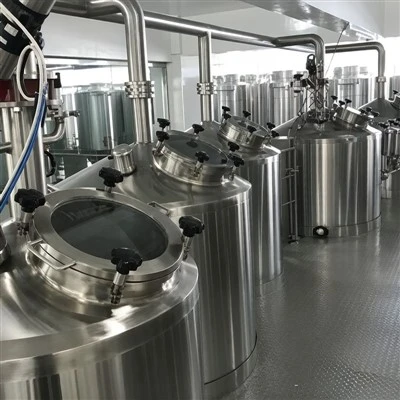
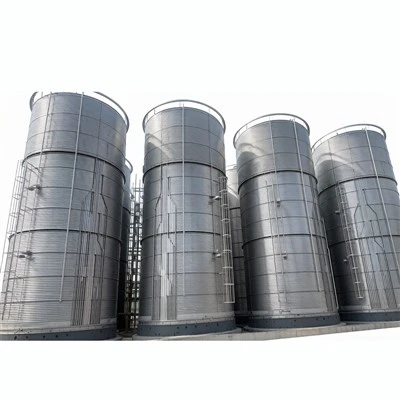
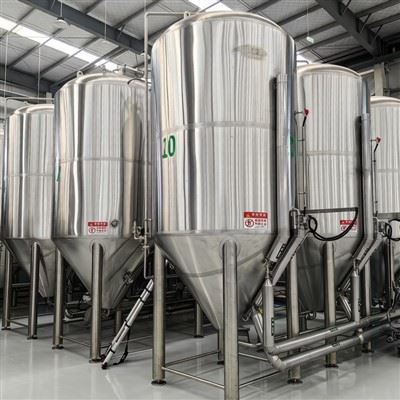
To address these issues, our turnkey brewery plant designs for hot and humid climates incorporate advanced cooling systems. For example, we may use Steel Brewing Tank with built - in cooling jackets to maintain the optimal fermentation temperature. These tanks are designed to withstand high temperatures and are made of materials that are resistant to corrosion caused by humidity.
We also pay special attention to ventilation in the brewery. Proper ventilation helps to remove excess heat and moisture from the brewing area, reducing the risk of microbial growth. Our designs often include large - scale ventilation fans and air - handling units to ensure a constant supply of fresh air.
Cold Climates
In cold climates, the main concern is preventing freezing and maintaining a stable temperature for the brewing process. Freezing temperatures can damage the brewing equipment, especially pipes and valves.
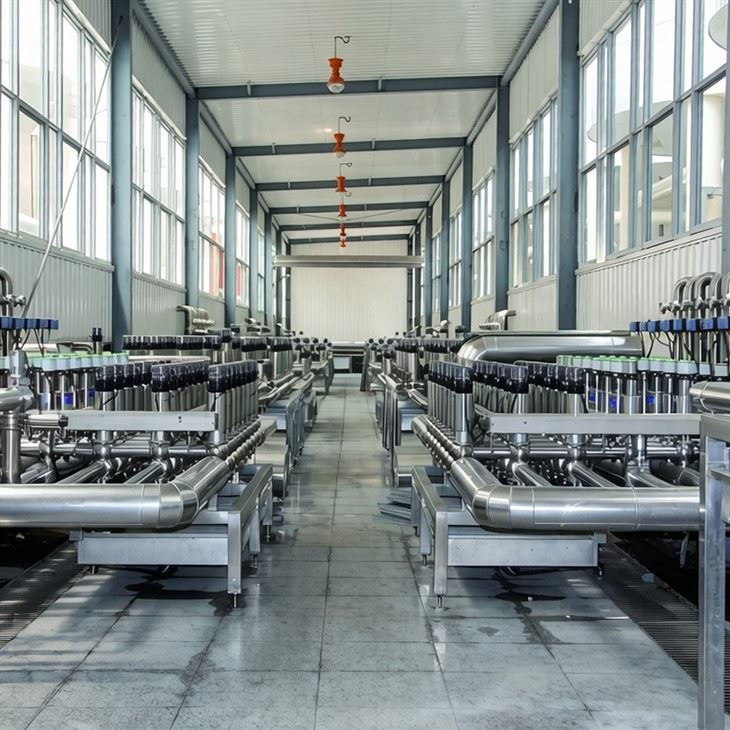
Our designs for cold climates include insulation for all critical components. The Sanitary Steel Pipes And Valves are wrapped with high - quality insulation materials to prevent them from freezing. We also install heating systems in the brewery, such as radiant heaters, to keep the interior temperature at a suitable level for brewing.
2. Water Availability and Quality
Water is a fundamental ingredient in beer, and its availability and quality can vary significantly from one geographical location to another.
Water Availability
In areas with limited water resources, such as arid regions, our turnkey brewery plant designs focus on water conservation. We incorporate water - recycling systems, which collect and treat the water used in the brewing process for reuse. For example, the water used for cleaning the Sanitary CIP Tank System can be treated and reused in other parts of the brewery, reducing the overall water consumption.
Water Quality
The quality of water can also have a profound impact on the taste and quality of the beer. Different regions may have water with varying levels of minerals, pH, and other contaminants.
We conduct thorough water analysis before designing a brewery plant. Based on the results, we can adjust the brewing process and use water - treatment equipment to optimize the water quality. For instance, if the local water has a high mineral content, we may use water softeners to remove excess minerals.
3. Local Regulations and Building Codes
Each geographical location has its own set of regulations and building codes that must be adhered to when designing and constructing a brewery plant.
Zoning and Land Use
Zoning laws determine where a brewery can be located. Some areas may have restrictions on industrial activities in residential or commercial zones. Our team of experts is well - versed in local zoning regulations and can help clients find suitable land for their brewery.
Health and Safety Regulations
Health and safety regulations govern various aspects of the brewery, including equipment installation, ventilation, and waste management. Our turnkey brewery plant designs are always compliant with local health and safety standards. For example, we ensure that all equipment, such as the Yeast Propagation And Storage units, are installed in a way that is safe for the operators and meets all the relevant safety codes.
Environmental Regulations
Environmental regulations are also a key consideration. Breweries generate wastewater and waste products, and proper disposal methods must be in place. Our designs incorporate wastewater treatment systems to ensure that the brewery's effluent meets the local environmental standards.
4. Cultural and Market Considerations
The local culture and market demand can also influence the turnkey brewery plant design.
Beer Preferences
Different regions have different beer preferences. For example, in some countries, light - colored lagers are more popular, while in others, dark ales or stouts are the favorites. Our designs can be customized to produce the types of beer that are in high demand in the local market. This may involve adjusting the brewing equipment and processes to achieve the desired flavor profiles.
Distribution and Accessibility
The location of the brewery also affects its distribution network. A brewery in a remote area may face challenges in transporting its products to the market. Our designs take into account the accessibility of the location, ensuring that there are proper transportation routes and storage facilities for the finished beer.
Our Approach to Adaptation
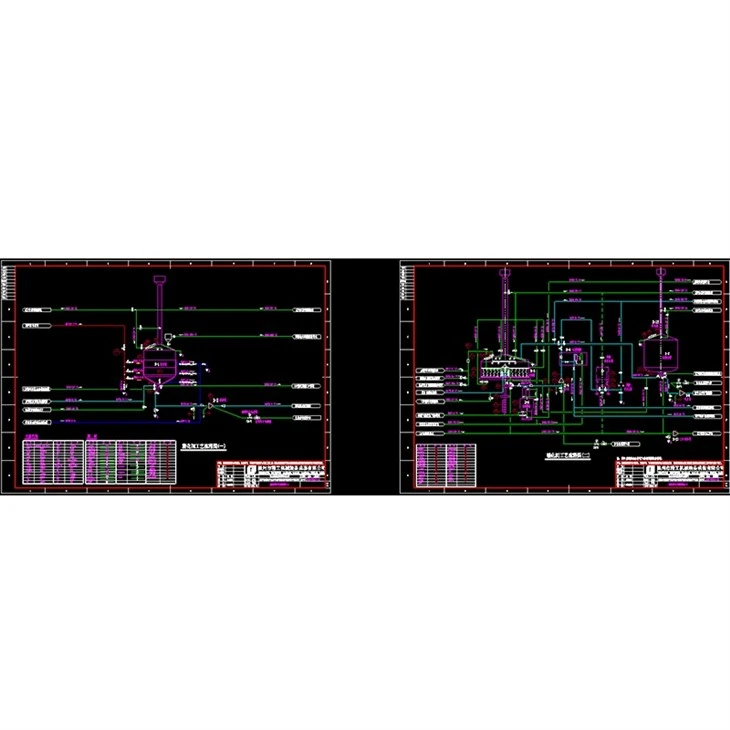
At our company, we approach each turnkey brewery plant design project with a comprehensive understanding of the specific geographical location. Our team of engineers, brewers, and architects work together to conduct in - depth research on the local climate, water resources, regulations, and market conditions.
We use state - of - the - art design tools and technologies to create customized solutions that meet the unique requirements of each location. Our designs are not only functional but also cost - effective, ensuring that our clients can operate their breweries efficiently and profitably.
Conclusion
In conclusion, turnkey brewery plant design can indeed be adapted to different geographical locations. By considering the climate, water availability and quality, local regulations, and cultural and market factors, we can create brewery plants that are optimized for their specific environments.
If you are interested in our Turnkey Brewery Plant Design services and want to discuss how we can adapt a design to your specific geographical location, we invite you to reach out to us for a consultation. We are committed to helping you build a successful brewery that meets your needs and exceeds your expectations.
References
- Smith, J. (2020). The Impact of Climate on Brewing Operations. Journal of Brewing Science.
- Johnson, A. (2019). Water Management in Breweries: A Global Perspective. International Journal of Beverage Technology.
- Brown, C. (2021). Compliance with Local Regulations in the Brewing Industry. Brewery Law Review.