Effective cleaning of a fermentation system is crucial to maintain the quality and efficiency of the fermentation process. As a fermentation system supplier, we understand the significance of proper cleaning procedures in ensuring the longevity and optimal performance of the equipment. In this blog post, we will explore the key steps and best practices for effectively cleaning a fermentation system.
Understanding the Fermentation System
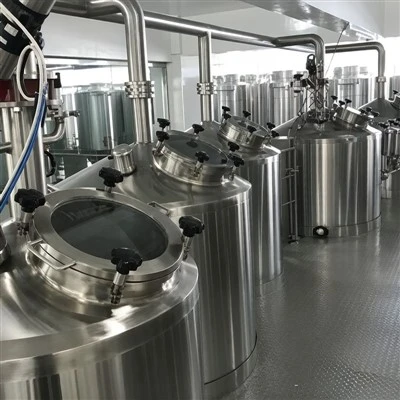
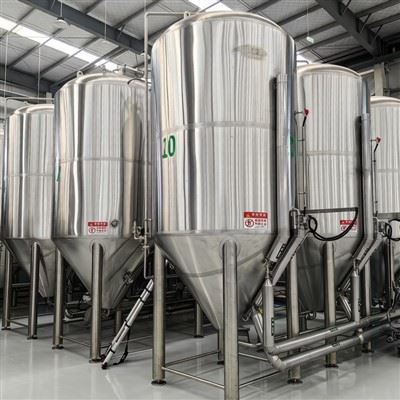
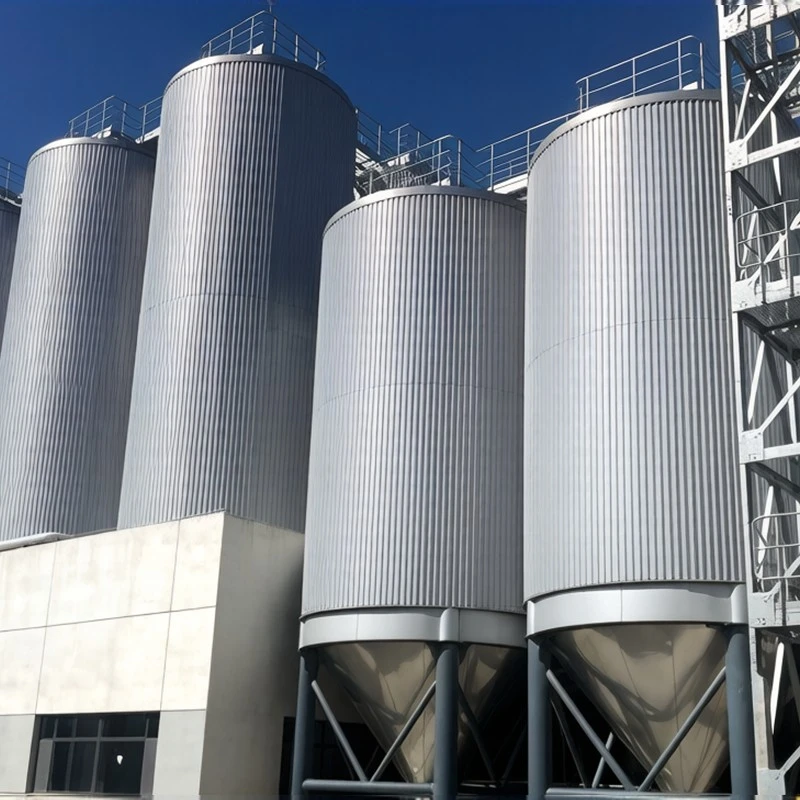
Before delving into the cleaning process, it's essential to have a clear understanding of the fermentation system components. A typical fermentation system consists of various parts, including Industrial Fermentation Tanks, pipes, valves, pumps, and sensors. Each component plays a vital role in the fermentation process and requires specific cleaning methods to ensure thorough sanitation.
Pre - Cleaning Inspection
The first step in cleaning a fermentation system is a pre - cleaning inspection. This involves visually examining the system for any visible debris, residue, or signs of damage. Check the interior of the fermentation tanks for any build - up of yeast, bacteria, or other contaminants. Inspect the pipes and valves for blockages or leaks. Identifying these issues early on will help determine the appropriate cleaning approach and prevent potential problems during the fermentation process.
Disassembly (if necessary)
Depending on the type and complexity of the fermentation system, disassembly of certain components may be required. For example, some valves and sensors may need to be removed for more thorough cleaning. When disassembling the system, it's important to follow the manufacturer's instructions carefully. Keep track of all the parts and their locations to ensure proper reassembly later. Labeling the parts can be a helpful way to avoid confusion.
Cleaning Agents Selection
Choosing the right cleaning agents is critical for effective cleaning. Different types of contaminants require different cleaning solutions. For organic residues such as yeast and bacteria, alkaline cleaners are often effective. Alkaline cleaners can break down proteins and fats, which are common components of organic matter. Acidic cleaners, on the other hand, are useful for removing mineral deposits, scale, and rust.
It's important to select cleaning agents that are compatible with the materials of the fermentation system. For example, some aggressive cleaners may damage certain types of plastics or rubber gaskets. Always refer to the equipment manufacturer's recommendations for the appropriate cleaning agents.
Cleaning the Fermentation Tanks
The fermentation tanks are the heart of the fermentation system, and they require special attention during the cleaning process. Start by draining any remaining liquid from the tanks. Rinse the tanks thoroughly with water to remove loose debris. Then, apply the selected cleaning agent to the interior of the tanks. Use a high - pressure sprayer or a scrub brush to ensure complete coverage. Pay close attention to the corners and seams of the tanks, as these areas are more likely to accumulate contaminants.
After applying the cleaning agent, let it sit for the recommended amount of time to allow it to break down the contaminants. This is known as the "dwell time." After the dwell time, rinse the tanks again with clean water several times to remove all traces of the cleaning agent.
Cleaning the Pipes and Valves
Pipes and valves are often overlooked areas in the fermentation system but can harbor a significant amount of contaminants. To clean the pipes, use a pipe - cleaning solution or a recirculation cleaning system. A recirculation cleaning system involves pumping the cleaning solution through the pipes to ensure thorough cleaning.
For valves, disassemble them if possible and soak them in a cleaning solution. Use a small brush to clean the internal components of the valves, such as the seats and stems. After cleaning, reassemble the valves and test them for proper operation.
Cleaning the Pumps and Sensors
Pumps and sensors are essential for the proper operation of the fermentation system. Pumps can be cleaned by flushing them with a cleaning solution. Make sure to follow the manufacturer's instructions for pump cleaning to avoid damaging the pump.
Sensors, such as pH sensors and temperature sensors, are more delicate. They should be cleaned according to the manufacturer's guidelines. In general, a mild cleaning solution can be used to wipe the sensors gently. Calibration of the sensors may be required after cleaning to ensure accurate readings.
Rinse and Sanitize
After the cleaning process, it's crucial to rinse the entire fermentation system thoroughly with clean water to remove all traces of the cleaning agents. Then, sanitize the system to kill any remaining bacteria and microorganisms. Sanitizing agents, such as chlorine - based sanitizers or peracetic acid, can be used for this purpose.
Follow the recommended dilution ratios and contact times for the sanitizing agents. After sanitizing, drain the system and let it dry completely before starting the next fermentation batch.
Regular Maintenance and Monitoring
To maintain an effectively cleaned fermentation system, regular maintenance and monitoring are necessary. Implement a regular cleaning schedule based on the frequency of use of the system. Conduct routine inspections to check for any signs of contamination or damage.
Monitor the performance of the fermentation system, such as the fermentation rate, product quality, and equipment efficiency. Any changes in these parameters may indicate a problem with the cleaning or sanitation of the system.

Documentation
Keep detailed records of the cleaning and maintenance activities. Document the cleaning agents used, the cleaning procedures, the dates of cleaning, and any issues encountered during the process. This documentation can be useful for quality control purposes, regulatory compliance, and troubleshooting.
Conclusion
Effective cleaning of a fermentation system is a multi - step process that requires careful planning, the right cleaning agents, and attention to detail. By following the steps outlined in this blog post, you can ensure that your fermentation system remains clean, efficient, and produces high - quality products.
As a fermentation system supplier, we are committed to providing our customers with the best equipment and support. If you have any questions or need further assistance with cleaning your fermentation system or are interested in purchasing Industrial Fermentation Tanks or Brewery Storage Tanks, please feel free to contact us for a procurement discussion. We are here to help you optimize your fermentation process and achieve your production goals.
References
- "Principles of Fermentation Technology" by Paul F. Stanbury, Allan Whitaker, and Stephen J. Hall
- Manufacturer's manuals for fermentation system equipment.