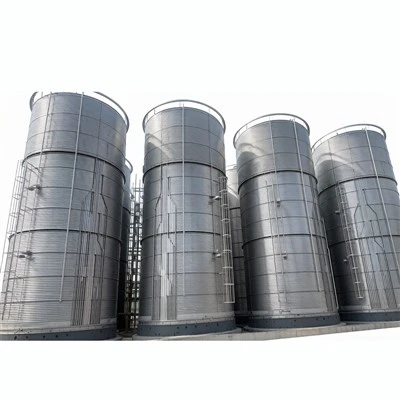
As a supplier of Heavy Carbon Steel Tanks, I often get asked about the recyclability of these robust containers. Heavy carbon steel tanks are widely used across various industries due to their durability, strength, and cost - effectiveness. But the question remains: Can heavy carbon steel tanks be recycled? Let's delve into the details.
The Composition of Heavy Carbon Steel Tanks
Heavy carbon steel is an alloy primarily composed of iron and carbon, with carbon content ranging from 0.3% to 2%. The presence of carbon gives the steel its strength and hardness, making it ideal for applications where high - stress resistance is required, such as in large - scale storage tanks. Other elements like manganese, silicon, sulfur, and phosphorus may also be present in small amounts, depending on the specific grade of the steel.
The manufacturing process of heavy carbon steel tanks involves melting the raw materials in a furnace, then shaping the molten steel into the desired tank form through processes like rolling, forging, or welding. Once these tanks reach the end of their useful life, the question of recycling becomes crucial from both an environmental and an economic perspective.
The Recycling Process of Heavy Carbon Steel Tanks
The good news is that heavy carbon steel tanks are highly recyclable. In fact, steel is one of the most recycled materials in the world. The recycling process of heavy carbon steel tanks typically begins with collection. Tanks that are no longer in use are gathered from various sources, such as industrial facilities, storage sites, or decommissioned plants.
After collection, the tanks are transported to a recycling facility. At the facility, the first step is to inspect the tanks to determine their condition and composition. Any non - steel components, such as rubber gaskets, plastic fittings, or paint coatings, are removed. This separation is essential to ensure the purity of the recycled steel.
Next, the tanks are shredded into smaller pieces. Shredding increases the surface area of the steel, making it easier to melt. The shredded steel is then placed in a furnace, where it is heated to extremely high temperatures, usually above 1,500 degrees Celsius. At this temperature, the steel melts, and impurities rise to the surface, where they can be skimmed off.
Once the molten steel is purified, it can be cast into new forms. This recycled steel can be used to manufacture a wide range of products, including new heavy carbon steel tanks, as well as other steel items like construction beams, automotive parts, and household appliances.
Benefits of Recycling Heavy Carbon Steel Tanks
There are several benefits associated with recycling heavy carbon steel tanks. First and foremost, it is an environmentally friendly practice. Producing new steel from recycled materials requires significantly less energy compared to producing steel from raw iron ore. According to industry estimates, recycling steel can save up to 75% of the energy needed for primary steel production. This reduction in energy consumption not only conserves natural resources but also decreases greenhouse gas emissions.
Secondly, recycling helps to reduce the demand for virgin iron ore. As the global population grows and industries expand, the demand for raw materials is increasing. By recycling heavy carbon steel tanks, we can ease the pressure on mining operations, which often have significant environmental impacts, such as habitat destruction and water pollution.
Economically, recycling is also advantageous. The recycled steel market is well - established, and there is a consistent demand for recycled steel products. For businesses, recycling heavy carbon steel tanks can provide a source of revenue. Instead of disposing of old tanks at a cost, companies can sell them to recycling facilities, offsetting some of the expenses associated with tank replacement.
Challenges in Recycling Heavy Carbon Steel Tanks
While the recyclability of heavy carbon steel tanks is clear, there are some challenges in the recycling process. One of the main challenges is the presence of contaminants. Tanks that have been used to store chemicals, oil, or other hazardous substances may be contaminated. Removing these contaminants can be difficult and costly. Special cleaning processes are often required to ensure that the recycled steel is free from harmful substances.
Another challenge is the size and weight of heavy carbon steel tanks. Transporting these large and heavy objects to recycling facilities can be logistically challenging and expensive. Finding cost - effective ways to transport the tanks without causing damage is essential for the viability of the recycling process.
My Perspective as a Supplier
As a supplier of Heavy Carbon Steel Tanks, I am committed to promoting sustainable practices. I understand the importance of recycling in reducing our environmental footprint. I often advise my customers on the proper disposal and recycling of their old tanks.
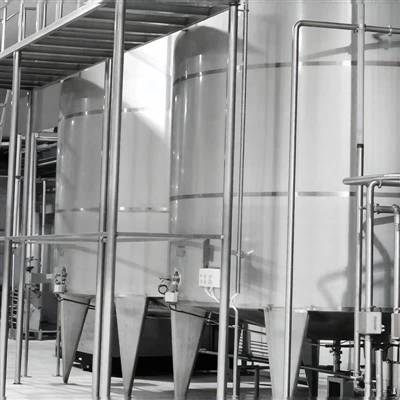
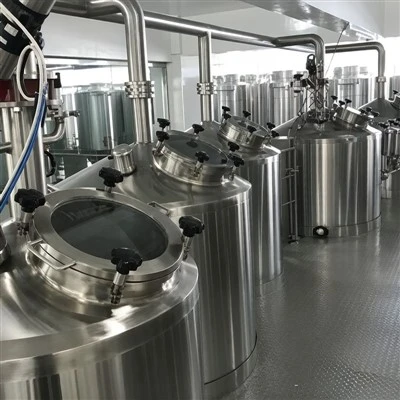
I also offer support to customers in finding reliable recycling partners. By doing so, I aim to contribute to a more circular economy, where materials are reused and recycled as much as possible. In addition to heavy carbon steel tanks, my company also supplies Sanitary Stainless Steel Tanks and Non - standard Vessel. These products also follow high - quality and sustainable manufacturing principles.
Encouraging Recycling in the Industry
To encourage more widespread recycling of heavy carbon steel tanks, the industry needs to work together. Manufacturers can design tanks that are easier to recycle. This could involve using fewer non - recyclable components and designing tanks that are easier to disassemble.
Recycling facilities can invest in research and development to improve the efficiency and effectiveness of the recycling process. For example, developing new technologies to remove contaminants more efficiently or reducing the energy consumption during the melting process.
Customers also play a crucial role. By choosing to recycle their old heavy carbon steel tanks instead of disposing of them in landfills, they can contribute to environmental protection. They can also demand sustainable products from suppliers, which will drive the industry towards more eco - friendly practices.
Contact for Procurement
If you are in the market for high - quality heavy carbon steel tanks, sanitary stainless steel tanks, or non - standard vessels, I would be more than happy to discuss your requirements. Our team of experts is available to provide you with detailed information, customize products according to your needs, and offer competitive prices. Reach out to us today to start the procurement process.
References
- American Iron and Steel Institute. (2023). Steel Recycling Facts.
- World Steel Association. (2023). Sustainable Development in the Steel Industry.
- International Iron and Steel Institute. (2023). Recycling of Steel Products.