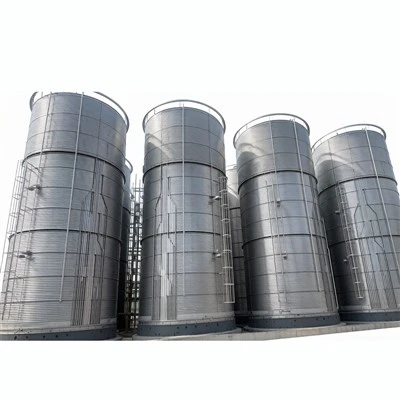
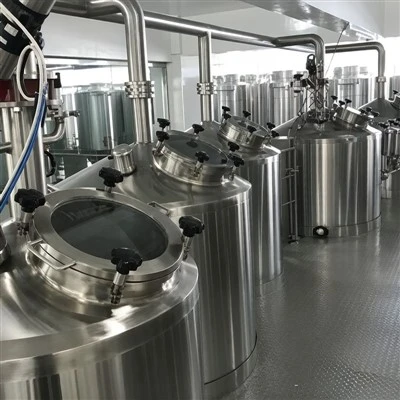
Can I use a stainless steel tank for marine applications?
Hey there! As a supplier of stainless steel tanks, I get this question a lot. So, let's dive right in and explore whether stainless steel tanks are a good fit for marine applications.
First off, let's talk about what makes stainless steel a potential candidate for marine use. Stainless steel is known for its excellent corrosion resistance. In a marine environment, corrosion is a major concern because of the high salt content in seawater. Saltwater can be extremely harsh on metals, causing them to rust and deteriorate over time. But stainless steel contains chromium, which forms a thin, passive oxide layer on the surface of the metal. This layer acts as a protective barrier, preventing the underlying metal from coming into contact with the corrosive elements in seawater.
Another advantage of stainless steel is its strength. Marine applications often involve rough conditions, with waves, currents, and even impacts from debris. A tank needs to be able to withstand these forces without getting damaged. Stainless steel has good mechanical properties, which means it can handle a fair amount of stress and pressure. This makes it suitable for storing various substances in a marine setting, whether it's fuel, water, or chemicals.
Now, let's look at some specific factors to consider when using stainless steel tanks in marine applications.
1. Grade of stainless steel
Not all stainless steels are created equal. There are different grades, and some are better suited for marine environments than others. For example, austenitic stainless steels like 316 and 316L are popular choices. They have a higher molybdenum content compared to other common grades like 304. The molybdenum enhances the corrosion resistance, especially against pitting and crevice corrosion, which are common in saltwater. So, when choosing a stainless steel tank for marine use, make sure it's made from a suitable grade.
2. Welding and fabrication
The way the tank is welded and fabricated also matters. Poor welding can lead to weak points in the tank, which may be more susceptible to corrosion. It's important to use proper welding techniques and ensure that the welds are of high quality. Additionally, the tank should be fabricated in a way that minimizes sharp corners and crevices, as these areas can trap water and increase the risk of corrosion.
3. Maintenance
Even though stainless steel is corrosion-resistant, it still requires some maintenance in a marine environment. Regular cleaning is essential to remove any salt deposits or debris that may accumulate on the surface of the tank. You should also inspect the tank periodically for any signs of damage or corrosion. If you notice any issues, it's important to address them promptly to prevent further deterioration.
Comparing with other tank materials
Let's take a quick look at how stainless steel tanks stack up against other types of tanks that are commonly used in marine applications.
Heavy Carbon Steel Tanks
Carbon steel is a strong and relatively inexpensive material. However, it is highly susceptible to corrosion in seawater. You can find out more about Heavy Carbon Steel Tanks. Without proper coating and maintenance, carbon steel tanks will rust quickly. In contrast, stainless steel tanks offer better corrosion resistance, which means less maintenance and a longer lifespan.
Non - standard Vessels
Non - standard vessels can be customized to meet specific requirements. But when it comes to marine applications, the choice of material is crucial. Stainless steel non - standard vessels can be fabricated to have the right shape and size while still providing the benefits of corrosion resistance. You can explore more about Non - standard Vessel.
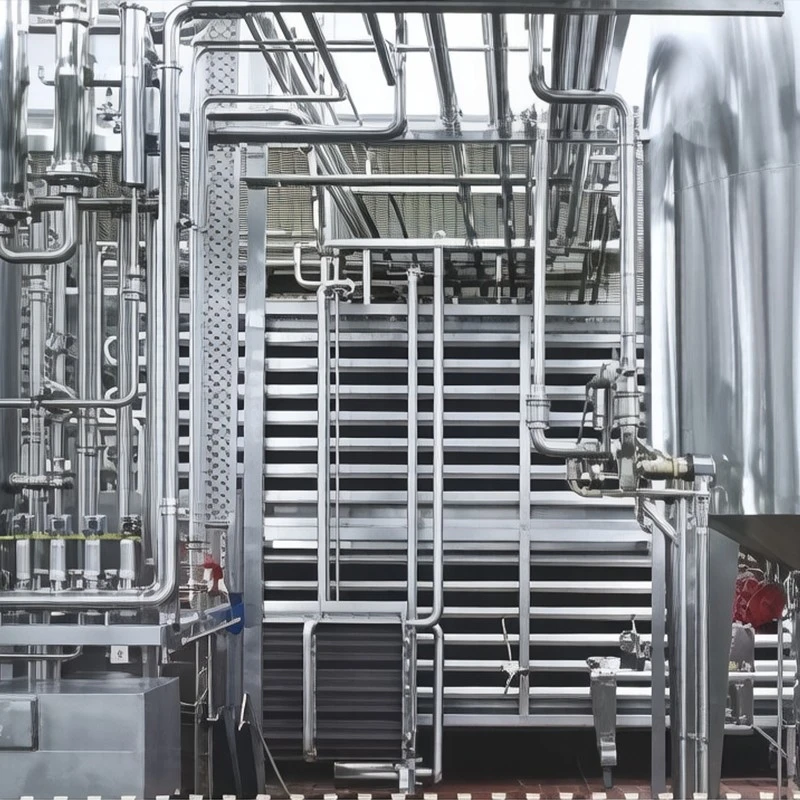

Sanitary Stainless Steel Tanks
Sanitary stainless steel tanks are designed to meet strict hygiene standards. In marine applications, if you're storing water or food - grade substances, a sanitary stainless steel tank may be a good option. They are made from high - quality stainless steel and are often polished to prevent the accumulation of contaminants. Check out Sanitary Stainless Steel Tanks for more information.
So, can you use a stainless steel tank for marine applications? The answer is a resounding yes! With the right grade of stainless steel, proper fabrication, and regular maintenance, stainless steel tanks can perform excellently in marine environments. They offer the corrosion resistance and strength needed to store various substances safely and effectively.
If you're considering using stainless steel tanks for your marine project, we'd love to chat with you. Whether you need a standard tank or a custom - designed one, we have the expertise and experience to provide you with a high - quality solution. Get in touch with us to start the conversation and see how we can meet your specific needs.
References
- "Stainless Steel in Marine Applications" - Stainless Steel World
- "Corrosion Resistance of Different Metals in Seawater" - Journal of Marine Science and Technology