Daily / After Each Production Batch (High-Frequency/Critical Tasks)
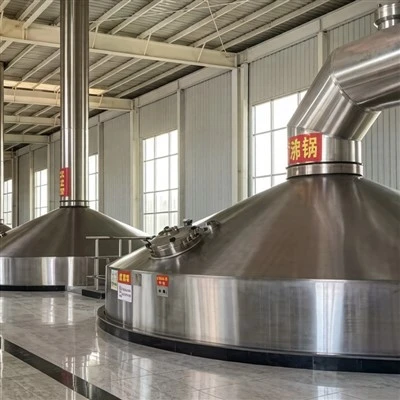
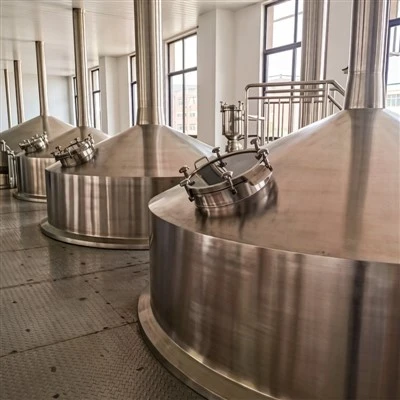
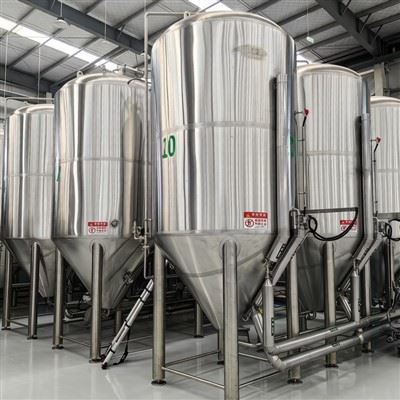
- Thorough Cleaning and Sanitization: Mash tuns, fermentation tanks, piping, and filling heads must undergo immediate CIP (Clean-in-Place) procedures-water rinse, caustic wash, acid wash, and sanitization-to eliminate beer stone and yeast residue.
- Seal Integrity Check: Quickly inspect valves, flanges, and clamp gaskets for leaks; replace any components showing signs of aging immediately.
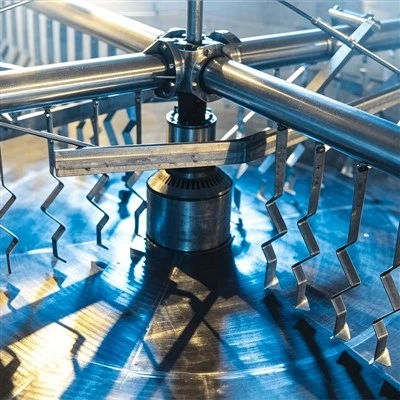
- Waste and Sediment Removal: Clear spent grain from the mash tun and drain condensate from pipelines to prevent blockages or corrosion.
- Preliminary Instrument Check: Visually verify that temperature and pressure gauge readings are at zero or within normal ranges and that there are no abnormal alarms.
Maintenance Schedule for Craft Beer Equipment
Weekly Maintenance
- Mechanical Lubrication: Apply food-grade lubricant to moving parts such as pump bearings and motor drive chains.
- Deep Cleaning (Disassembly): Remove detachable components like spray heads and filter screens; soak them to eliminate stubborn stains.
- Electrical Dust Removal: Clean dust from electrical control cabinets and inspect terminals for looseness or signs of overheating.
Monthly Maintenance
- Consumable Replacement: Replace wear parts-such as filter bags, gaskets, and O-rings-regardless of their current condition.
- No-Load Performance Test: Run the equipment without a load for 30 minutes while monitoring for unusual noises, vibrations, or abnormal temperature rises.
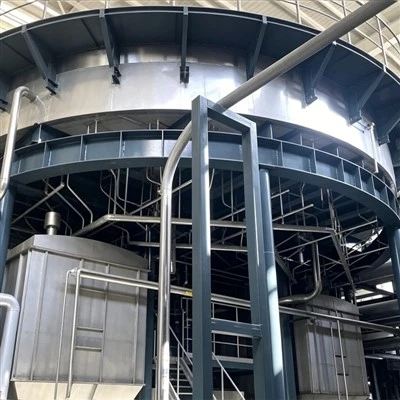
- Pipeline Endoscopic Inspection: Use an endoscope when necessary to inspect the inner walls of pipes for scale buildup and determine if acid cleaning is required.
Quarterly Maintenance
- Heating and Cooling System Descaling: Remove scale from steam boilers and clean condenser fins; check refrigerant pressure and circulation efficiency (the interval may be extended to six months if softened water is used).
- Safety Device Verification: Test the sensitivity of safety valves, pressure relief devices, and emergency stop switches to ensure compliance with safety standards.
- System Calibration: Recalibrate PID temperature control systems and pressure sensors; optimize operating parameters.