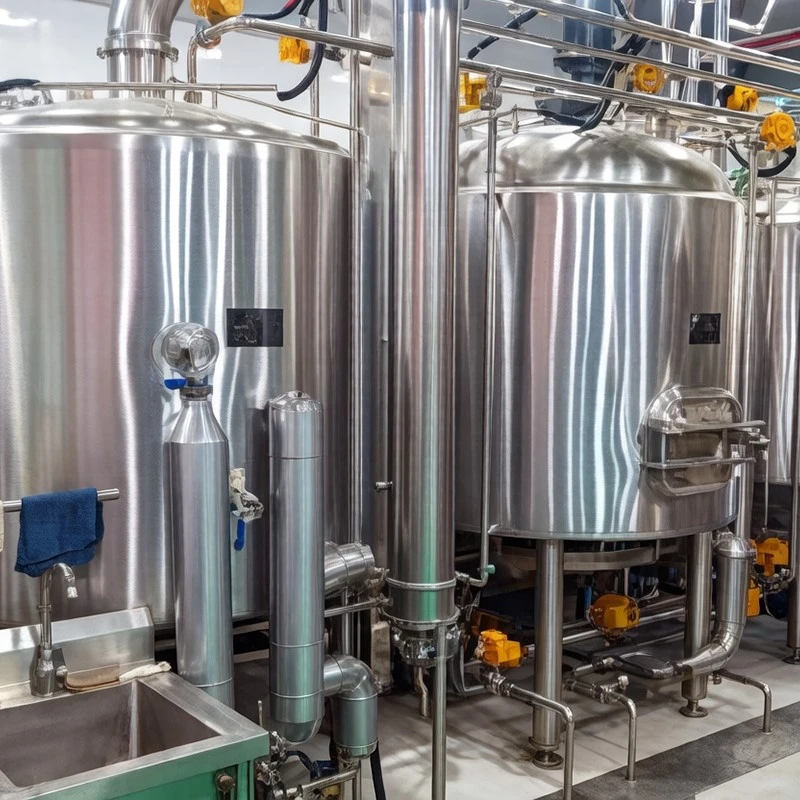
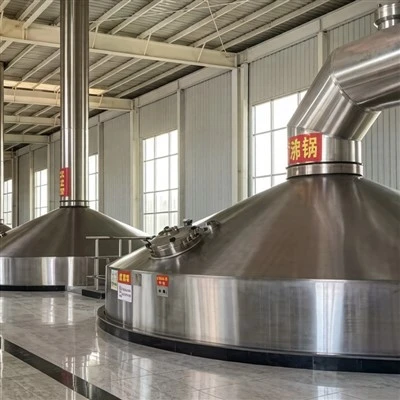
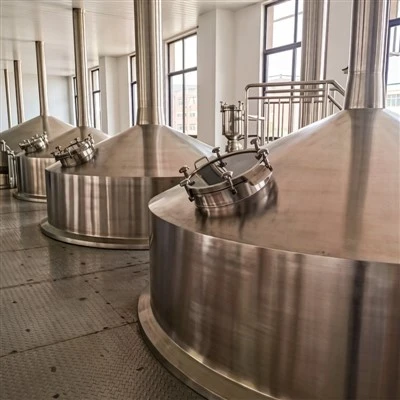
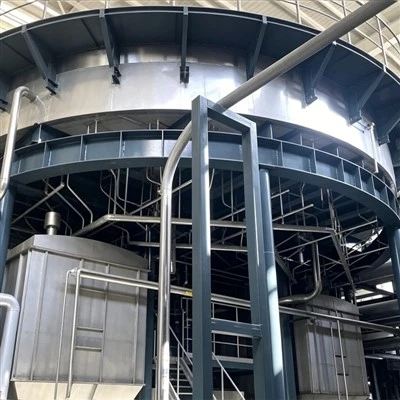
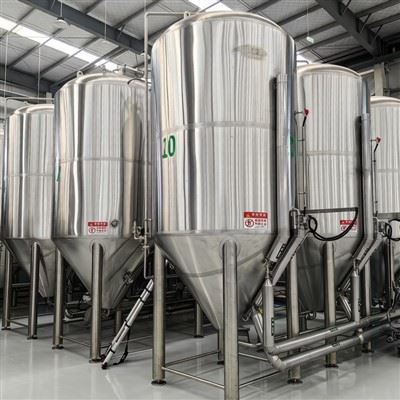
A CIP (Clean-in-Place) tank is a vessel specifically designed for Clean-in-Place systems and is widely used in industries such as food processing, pharmaceuticals, and chemicals. Its primary function is to store cleaning agents (such as acids, alkalis, or hot water) and facilitate the automated cleaning of production equipment via a piping system; this eliminates the need for equipment disassembly, thereby significantly enhancing cleaning efficiency and hygiene standards.
Material Selection: Typically constructed from stainless steel (e.g., 304 or 316L), ensuring corrosion resistance and compliance with food-grade requirements.
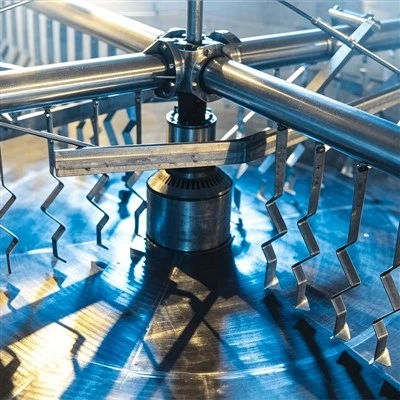
Structural Design: The tank interior features a smooth surface free of dead zones to prevent residue buildup; it is equipped with spray balls or rotating nozzles to ensure complete coverage by the cleaning fluid.
Temperature Control: Some tanks feature integrated heating capabilities to maintain the cleaning fluid at the desired temperature (e.g., 80–90°C) for enhanced cleaning efficacy.