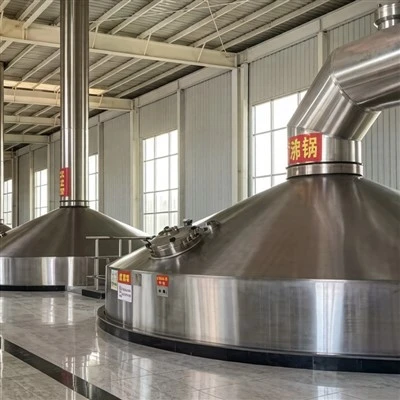
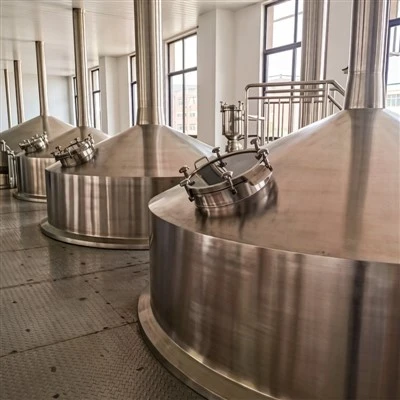
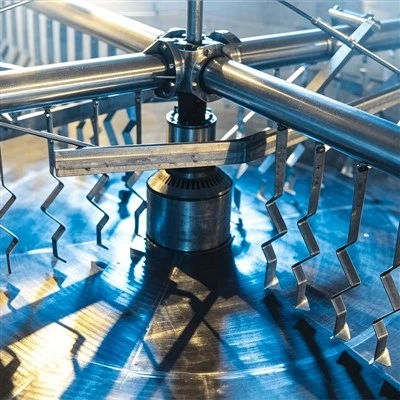
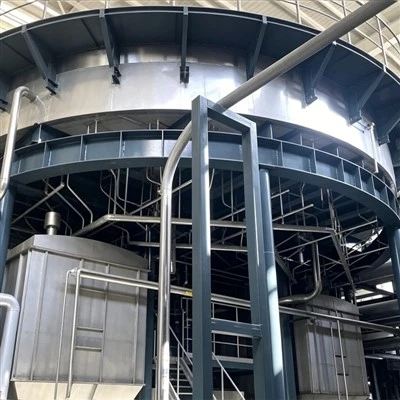
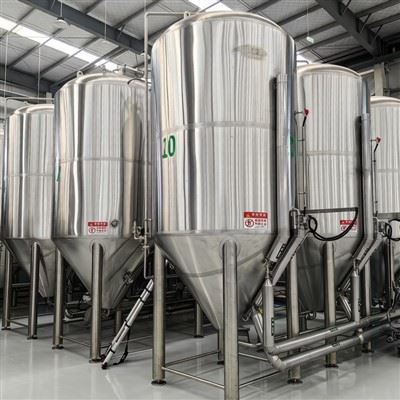
The core principle of a craft beer system involves using enzymes to convert malt starch into fermentable sugars, followed by yeast-driven anaerobic respiration to transform those sugars into alcohol, carbon dioxide, and flavor compounds-all while maintaining strict temperature control to preserve unique flavor profiles.
Mashing and Conversion: Alpha- and beta-amylase enzymes within the malt hydrolyze starch into fermentable sugars (such as maltose) at specific temperatures (typically 60–75°C).
Fermentation and Metabolism: Yeast consumes sugars in an anaerobic environment, primarily producing ethanol and CO₂ while simultaneously generating complex flavor compounds such as esters and phenols.
Purity Standards: The process relies on just four ingredients-malt, hops, yeast, and water-without artificial additives, achieving desired flavor profiles through process control rather than the use of adjuncts.