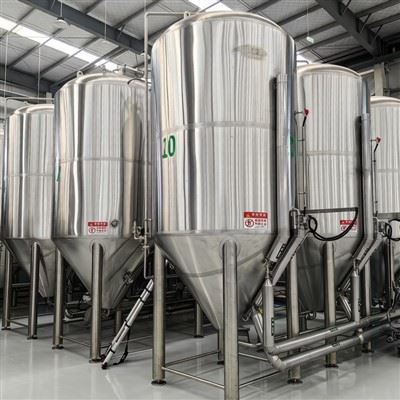
Post-brewing procedures: After each brewing session, disconnect the power supply, close the valve on the CO2 cylinder, and return the pressure gauge knob to its original position to ensure equipment safety and extend its service life.
Procedures for prolonged inactivity: If the equipment will not be used for an extended period, drain all water from the unit, clean the exterior surfaces, and store the equipment in a dry place to prevent rust or moisture damage.
Motor waterproofing
- Motor waterproofing: The motor components of the craft beer brewing equipment must not come into contact with water. Therefore, exercise special care during operation and maintenance to prevent water from entering the motor, which could cause short circuits or damage.
Condenser Ventilation
- Ensure good ventilation: The condenser vents on craft beer brewing equipment must be kept well-ventilated and free from obstructions to ensure effective condensation and the proper operation of the equipment.
Inspection and Cleaning of the Dispenser and Tap
- Regular Inspection and Cleaning: The dispenser and tap should be inspected and cleaned frequently to prevent clogs or contamination that could compromise brewing quality and flavor.
- Replacement of Sealing Rings: If sealing rings are found to have lost their elasticity, they should be replaced promptly to ensure equipment integrity and brewing quality.
When using craft beer brewing equipment, attention must be paid to aspects such as installation and relocation, voltage requirements and stability, routine maintenance and cleaning, motor waterproofing, condenser ventilation, and the inspection and cleaning of dispensers and taps. Only by strictly adhering to these guidelines during operation and maintenance can the equipment's proper functioning be ensured and high-quality craft beer be produced.