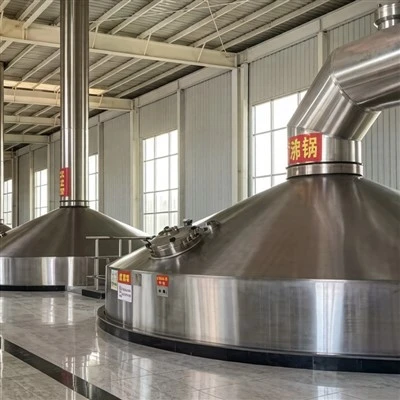
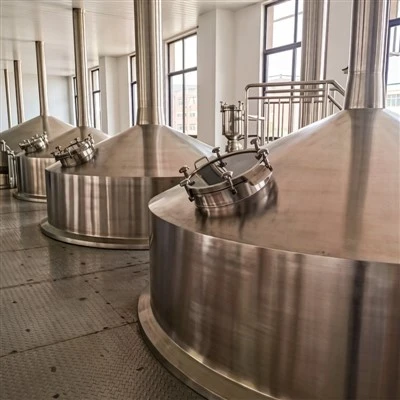
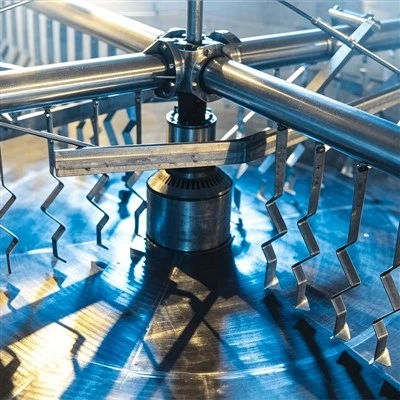
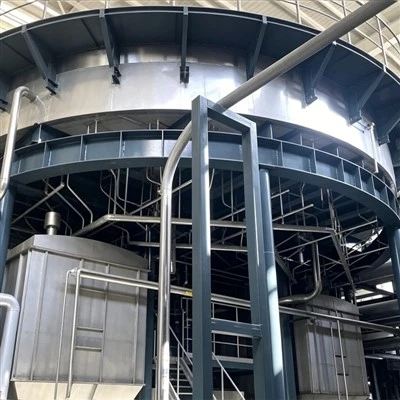
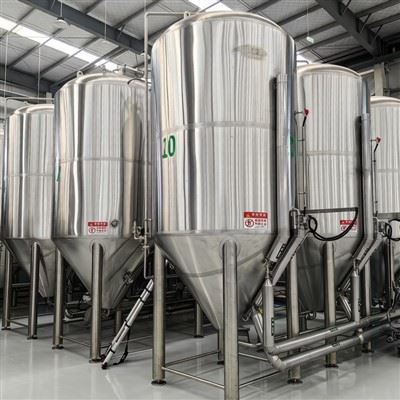
The proper functioning of equipment is crucial during the beer production process. To ensure beer quality and production output, production equipment must undergo regular and meticulous inspections. The following are the key stages in the inspection of beer production equipment:
Routine Maintenance and Inspection
Routine maintenance forms the foundation for keeping beer production equipment in good working order. This includes cleaning equipment surfaces, checking the integrity of seals on pipes and valves, and periodically replacing worn components. Additionally, the equipment's lubrication system must be inspected to ensure the smooth operation of all parts.
Periodic Equipment Inspection
In addition to routine maintenance, beer production equipment requires periodic inspections. This involves examining the electrical, drive, and control systems. Professional testing instruments are used to monitor parameters such as voltage and current, ensuring the equipment operates within safe limits. At the same time, drive components-such as gears and bearings-must be inspected to ensure they remain in good condition and free from damage.
Troubleshooting and Preventive Maintenance
If equipment malfunctions or potential issues are detected during inspection, they must be addressed promptly. Standardized solutions can be established for common faults to ensure quick resolution. Additionally, preventive maintenance measures-such as the regular replacement of wear-prone parts and internal equipment cleaning-can be implemented to extend the equipment's service life.
In summary, conducting comprehensive and meticulous inspections of beer production equipment is crucial for ensuring smooth operations. Measures such as routine maintenance, periodic inspections, and troubleshooting guarantee proper equipment functionality, thereby enhancing production efficiency and product quality. At the same time, this saves the enterprise time and money on repairs, laying a solid foundation for sustainable growth.