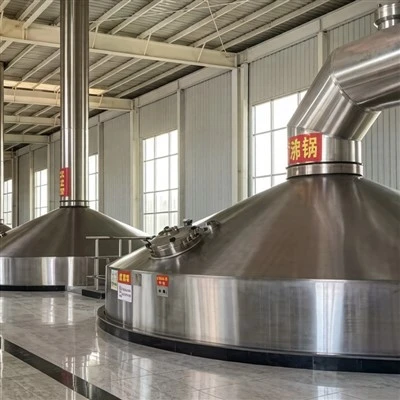
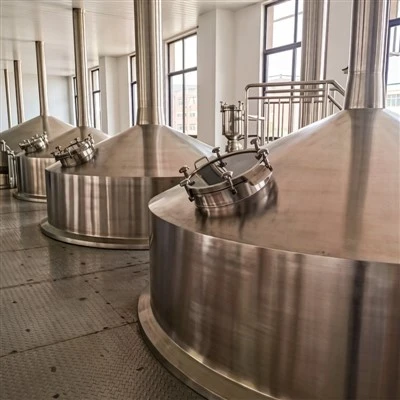
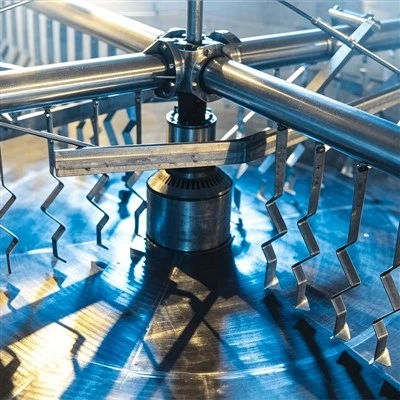
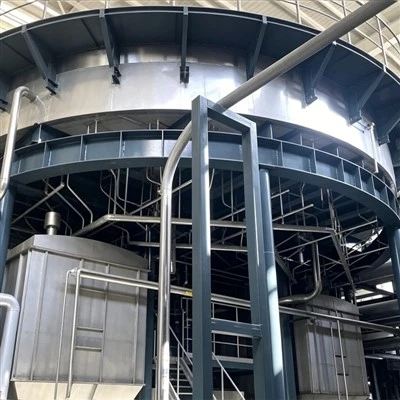
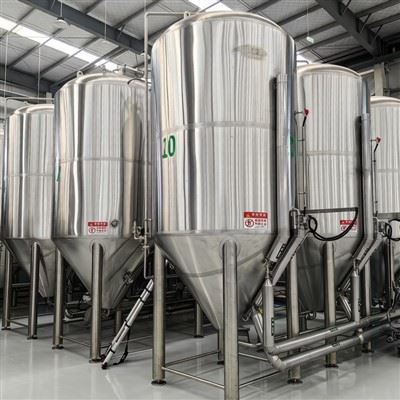
When selecting industrial beer equipment, a comprehensive evaluation across multiple dimensions-such as regulatory compliance, capacity alignment, core performance, and after-sales support-is essential. This ensures the selection of equipment that meets specific production needs and offers high cost-effectiveness, while avoiding future issues like inconsistent quality or capacity mismatches.
Capacity Planning: Capacity planning should allow for 30% headroom to accommodate business growth. The number of fermentation tanks must be calculated based on daily sales volume and fermentation cycles, while also accounting for backup tanks.
Configuration Selection: Regarding materials, 304 stainless steel is suitable for standard craft beer, whereas 316L stainless steel is mandatory for specialty styles (such as sour beer). For heating methods, electric heating is appropriate for small-scale equipment, while steam heating is better suited for medium- to large-scale systems. In terms of automation, small-scale equipment can utilize basic automation with manual assistance; medium-scale equipment should feature fully automated PLC control; and large-scale equipment requires full automation combined with intelligent monitoring.
Selecting industrial beer brewing equipment requires a comprehensive assessment of factors such as production scale, budget, process requirements, and future development plans to ensure both suitability and cost-effectiveness.