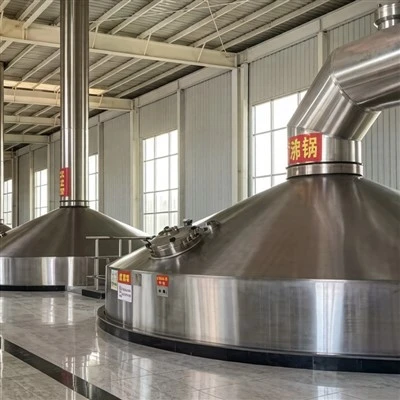
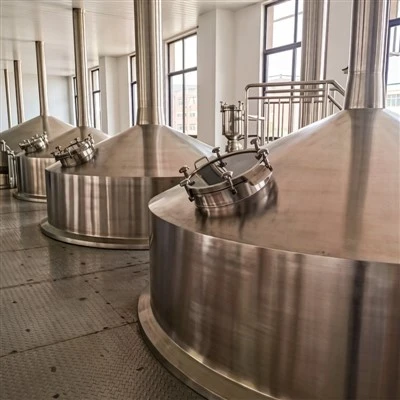
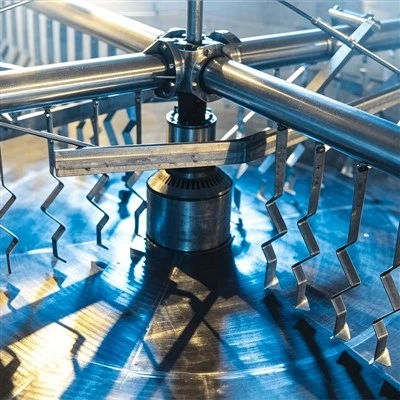
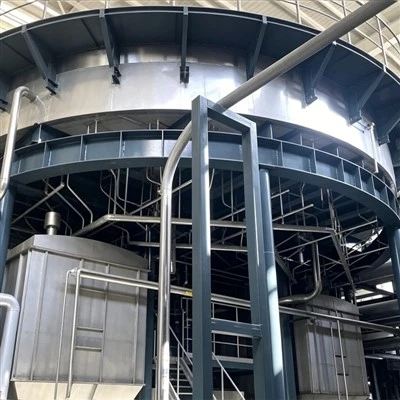
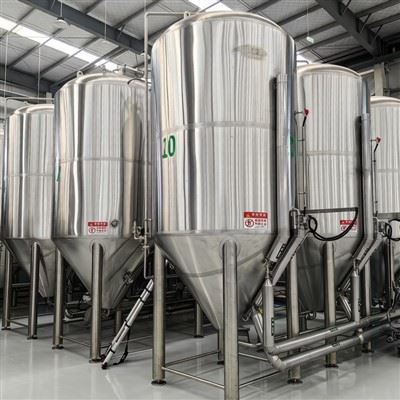
Maintaining industrial beer brewing equipment is crucial for ensuring production efficiency and extending the equipment's service life. This section outlines maintenance procedures for large-scale brewery equipment-covering cleaning, routine inspections, troubleshooting, and spare parts management-to assist brewery managers in effectively maintaining their equipment and enhancing production performance.
Cleaning and Maintenance
1. Regularly clean the exterior surfaces of the equipment to remove accumulated dust, grease, and other contaminants. Use specialized cleaning agents and tools, taking care to avoid damaging the equipment.
2. Regularly clean the interior components of the equipment, including piping, vessels, and filters. Use appropriate cleaning agents and tools to ensure the thorough removal of residues and prevent the accumulation of contaminants that could compromise production quality.
Routine Inspections
1. Inspect fasteners across all parts of the equipment to ensure none are loose or detached; tighten or replace them promptly if any issues are found.
2. Monitor the equipment for abnormal noise or vibration during operation and make timely adjustments or repairs to prevent equipment failure.
3. Check the lubrication status and promptly add or replace lubricant to ensure the equipment operates normally.
Troubleshooting
1. In the event of an equipment malfunction, shut down the machine promptly for inspection and identify the cause of the fault as soon as possible. Troubleshooting can be performed by referring to the equipment's operation and maintenance manuals; professional technical assistance should be sought if necessary.
2. When repairing the equipment, prioritize safe operating practices and adhere to relevant regulations to ensure personal safety.
Spare Parts Management
1. Establish an inventory record for equipment spare parts, documenting details such as type, quantity, and purchase date to maintain clear oversight.
2. Regularly inspect the storage conditions of spare parts to ensure they remain in good condition and ready for use.
3. Develop a replacement schedule based on equipment usage and the service life of the parts; promptly replace worn or damaged components to prevent equipment failure.