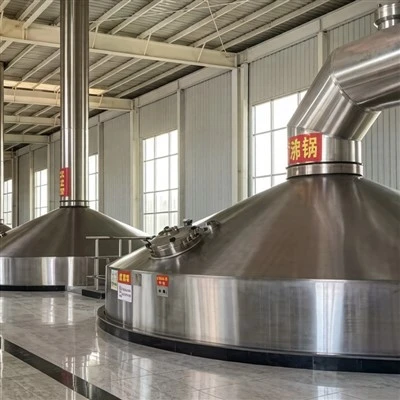
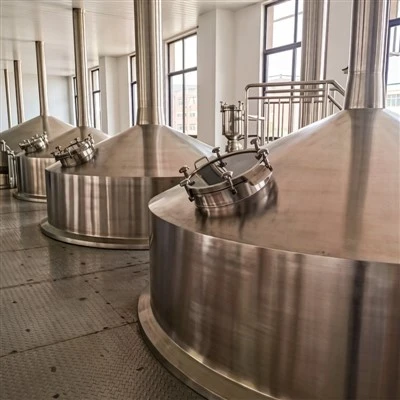
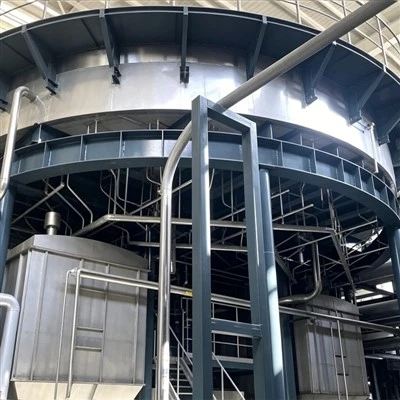
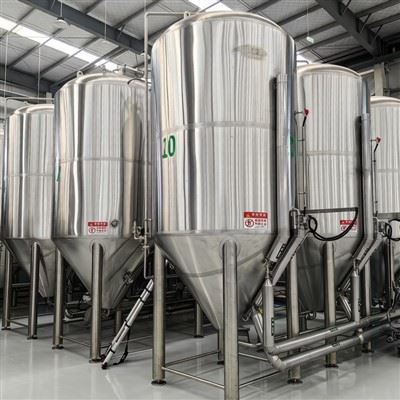
Fermentation equipment consists of vessels that provide an environment for specific biochemical processes and facilitate product generation; they must meet process requirements by providing the conditions necessary for microbial life and metabolism while allowing for ease of operation and control.
Common types of fermentation equipment include conical fermenters, unitanks (combined fermentation and maturation vessels), and bright beer tanks (maturation/storage tanks). Homebrewing setups often utilize glass carboys, plastic fermentation buckets, stainless steel conical fermenters, and all-in-one smart brewing systems. The industrial beer sector also employs specialized types such as airlift fermenters and pressure-cycle fermenters.
Equipment capacities vary widely, ranging from small units of 100 or 500 liters to large-scale vessels of 5,000 or 10,000 liters and beyond. The commissioning of 300-ton ultra-large beer fermenters exemplifies the trend toward larger-scale equipment.
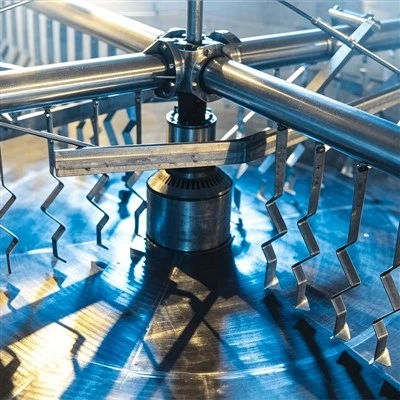
Key structural components of fermentation equipment include the vessel body, temperature control system, pressure control devices, aeration/exhaust systems, sampling valves, sight glasses, and cleaning systems. One specific design utilizes a lead-screw lifting mechanism to move a collection bin for yeast recovery; combined with an agitation system, this setup enables both mixing and cleaning functions.
Fermenters typically feature a robust, sealed structure and offer excellent liquid mixing, mass transfer, and heat transfer capabilities. Materials of construction include 304 food-grade stainless steel or copper-featuring a mirror-polished interior and a matte exterior finish-or Tritan material.