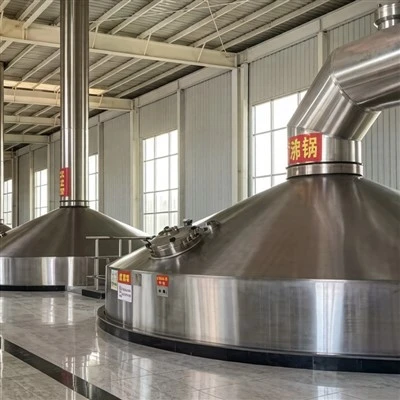
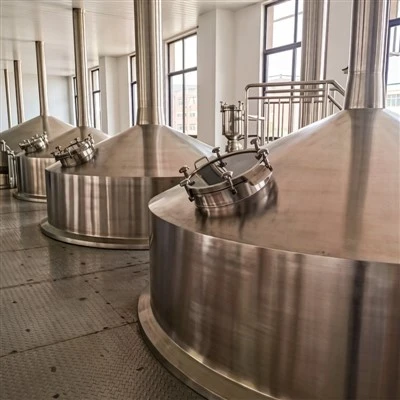
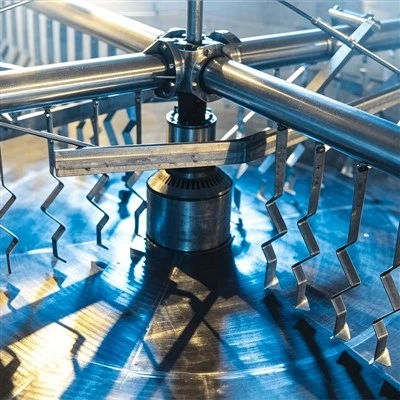
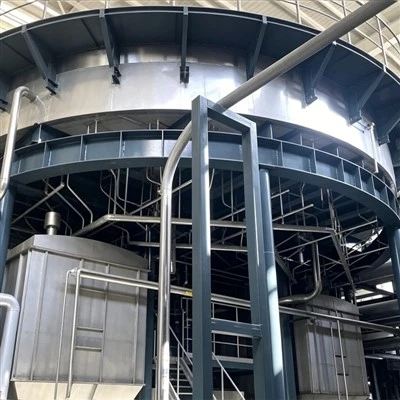
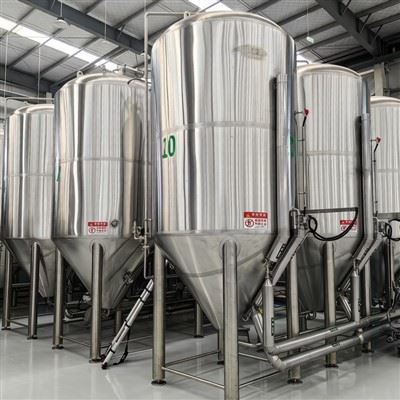
The primary fermentation equipment consists of fermenters and seed tanks. Each is equipped with systems for raw material (culture medium) preparation, cooking, sterilization, and cooling; aeration regulation and air filtration; and agitation mechanisms. The fermenter is responsible for actual product production, while the seed tank ensures a sufficient quantity of microbial biomass for inoculation into the fermenter.
Modern beer fermentation equipment rarely operates in isolation; it typically integrates with mashing, filtration, refrigeration, control, and cleaning-in-place (CIP) systems to form a complete brewing production line. Equipment is primarily constructed from materials such as stainless steel (e.g., food-grade 304). In recent years, domestic equipment technology has achieved significant breakthroughs-such as the commissioning of 300-ton ultra-large beer fermenters-thereby breaking foreign monopolies. Simultaneously, the development of miniaturized, integrated brewing systems (such as all-in-one mashing units) has enabled equipment downsizing and reduced energy consumption. Driven by the growth of the craft beer sector, relevant industry and group standards-such as "Craft Beer and Its Production Specifications"-have been established domestically.