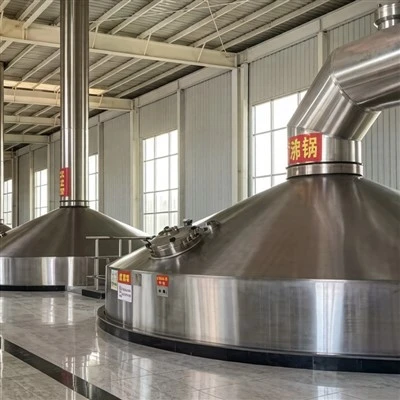
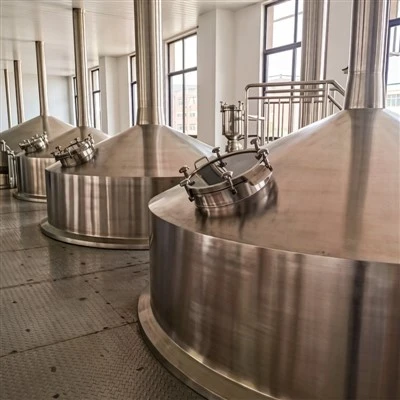
Two-vessel systems: Composed of a combined mash/lauter tun and a combined boil/whirlpool kettle. They feature a compact design and low investment costs, making them suitable for small-scale craft breweries; however, lautering often requires suction filtration, resulting in relatively lower efficiency.
Three-vessel systems: Typically configured as a mash tun, a lauter tun, and a boil/whirlpool kettle. With clearly defined functions, they allow for gravity-fed lautering and achieve high wort yields, making them the mainstream configuration for commercial craft breweries.
Four-vessel (or larger) systems: Build upon the three-vessel setup by adding a cereal cooker or a hot liquor tank. These are suitable for complex grain bills (containing significant adjuncts) or large-scale continuous production; they offer precise process control but require more floor space and entail higher costs.
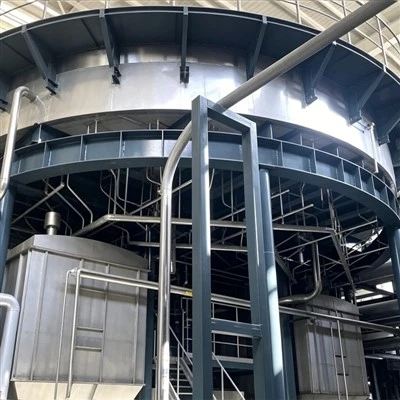
Compact modular systems: Integrate multiple functions into a single vessel (such as a stacked lauter-whirlpool combo tank). They save space and heat up quickly, though the equipment is tall, imposing specific requirements on the installation site.