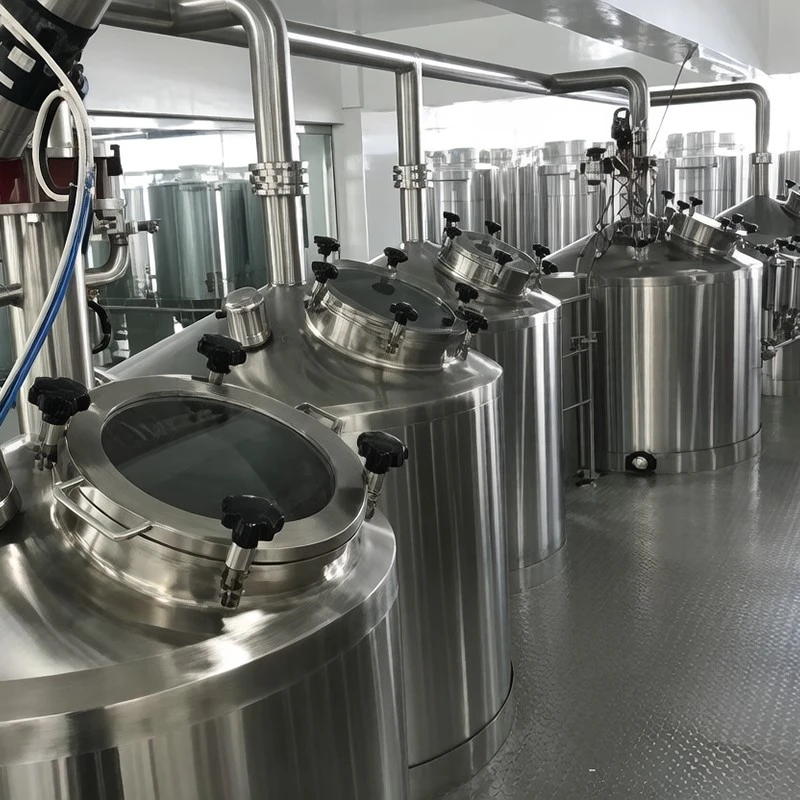
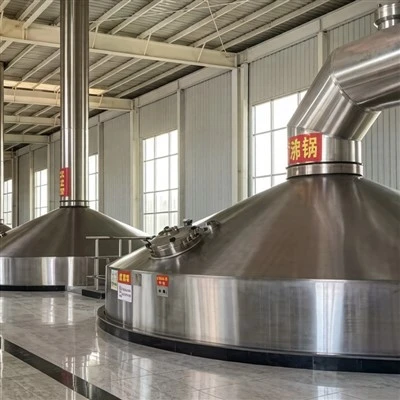
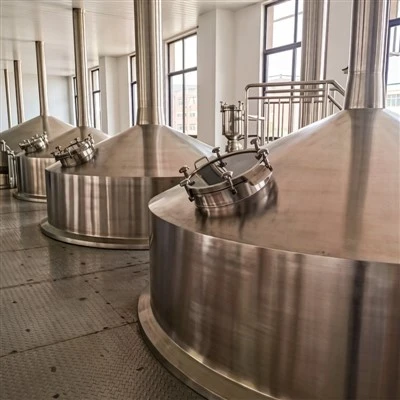
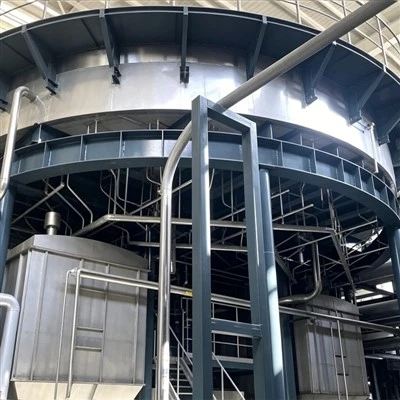
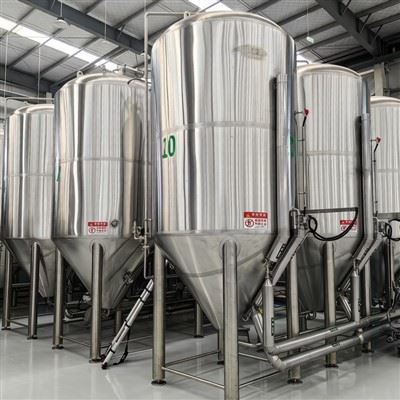
Stainless steel vessels feature excellent sealing capabilities, effectively preventing stored substances from coming into contact with external air, moisture, or impurities. Their sealing structures-including gaskets at the top and bottom, as well as sealing mechanisms at manholes and nozzles-ensure the creation of a relatively isolated internal environment.
Internal pressure fluctuates due to changes in the temperature and volume of the stored substance and external environmental factors. Pressure-balancing devices, such as breather valves or safety valves, are typically installed to maintain relatively stable internal pressure and prevent damage caused by excessive or insufficient pressure.
Stainless steel possesses inherent thermal conductivity; heat transfer occurs via conduction, convection, and radiation, allowing for temperature regulation of the internal contents through heat exchange across the vessel walls.
Liquid level monitoring is commonly achieved using buoyancy, pressure-based, or ultrasonic methods to track the fluid level in real-time.
While stainless steel is inherently corrosion-resistant, it remains susceptible to corrosion. Resistance can be enhanced by selecting appropriate grades (such as 304 or 316L) or by employing measures like anti-corrosion coatings and cathodic protection. Intergranular corrosion is the most common failure mode for chromium-nickel austenitic stainless steel vessels; it weakens intergranular bonding, is difficult to detect, and poses significant risks. The areas adjacent to welded joints are susceptible to sensitization, and post-weld heat treatment for austenitic stainless steel vessels operating in environments prone to intergranular corrosion presents challenges; consequently, over 90% of such vessels remain in the as-welded state during service.
To mitigate accident risks during abnormal events-such as leaks or overpressure-vessels are equipped with safety discharge devices, including discharge ports and emergency relief valves, enabling the rapid release of stored substances.