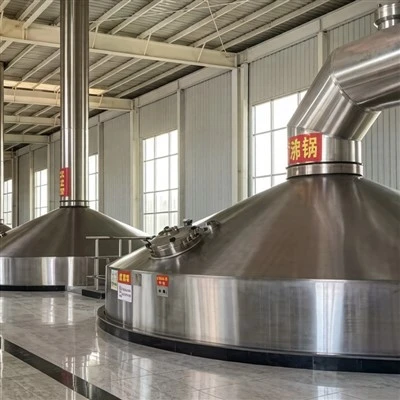
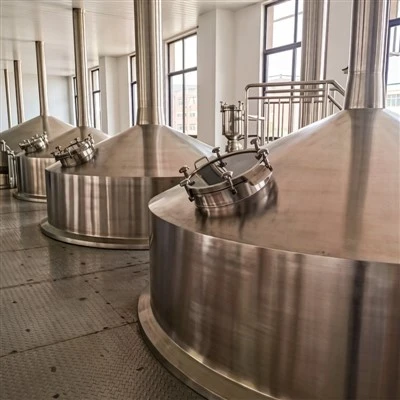
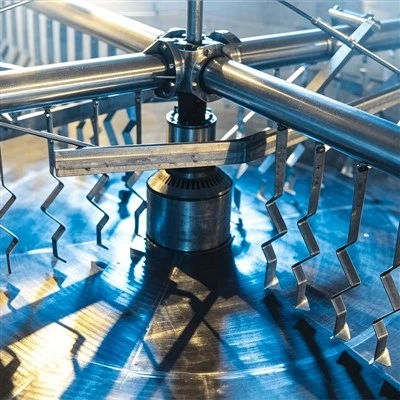
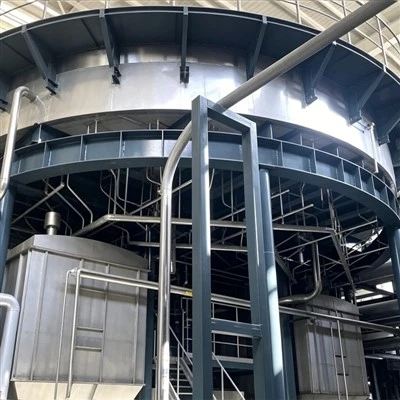
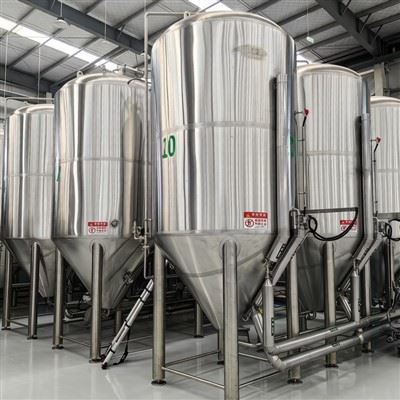
In the realm of beer brewing, the choice of equipment directly impacts the beer's flavor profile, production efficiency, and market positioning. There are significant differences between craft beer equipment and industrial beer equipment regarding design philosophy, functional characteristics, and intended use cases.
Production Scale and Flexibility
Industrial Beer Equipment:
1.Large-scale production: Features high capacity (typically measured in kiloliters) and a high degree of automation, making it suitable for high-volume, standardized production.
2.Fixed processes: Production lines are highly integrated to prioritize efficiency and consistency; however, they offer limited flexibility, making it difficult to quickly adjust recipes or brewing processes.
Craft Beer Equipment:
1.Small-batch brewing: Features smaller equipment capacities (ranging from hectoliters to several tons), supporting small-scale, multi-batch production suited to personalized brewing needs.
2.Flexible adaptability: Modular design allows for process adjustments (such as temperature and fermentation time), facilitating experimental innovation and enabling the exploration of diverse craft beer flavor profiles.
Brewing Process and Ingredient Compatibility
Industrial Beer Equipment:
1.Standardized Processes: Costs are reduced by shortening fermentation cycles (typically 7–15 days) and using adjuncts (such as corn or rice), prioritizing flavor consistency.
2.Limited Ingredient Compatibility: Equipment is optimized for fixed recipes, making it difficult to accommodate complex ingredients like high proportions of specialty malts, hops, or fruits.
Craft Beer Equipment:
1.Authentic Traditional Processes: Supports extended fermentation (2–4 weeks) and complex mashing techniques (such as single-step mashing or multi-step temperature control) to fully extract ingredient flavors.
2.High Ingredient Versatility: Equipment materials (e.g., food-grade stainless steel) and structural designs are suited for all-malt brewing and allow for the flexible addition of specialty ingredients such as spices, fruits, and oak barrels.
Equipment Functionality and Operational Characteristics
Industrial Beer Equipment:
1. Fully automated control: Relies on PLCs or central control systems to minimize manual intervention; however, it entails a steep learning curve for operators and high maintenance costs.
2. Single production objective: Functionality focuses on consistent output, leaving little room for personalized adjustments.
Craft Beer Equipment:
1. Semi-automated or manual operation: Retains manual control points (such as mashing temperatures and hop addition timing), emphasizing the brewer's control over flavor profiles.
2. Customizable features: Can integrate systems such as dry-hopping units, fermentation pressure control, and CIP (Clean-in-Place) systems to meet the specific process requirements of craft beer.
Product Positioning and Market Value
Industrial Beer:
Mass-market consumption: Centered on low costs and high distribution volume, it emphasizes a crisp taste and brand recognition but lacks flavor uniqueness.
Craft Beer:
1. Differentiated competition: Attracts consumers through niche styles (such as IPA, Stout, and Sour Ale) and regional characteristics, emphasizing "craftsmanship" and "storytelling."
2. High added value: Investment in equipment translates into a price premium, satisfying craft beer enthusiasts' pursuit of quality and innovation.